
The Allure of Chance
The allure of casino games lies in the unpredictability of chance. Players are drawn to the excitement that stems from not knowing the outcome, which taps into the human psyche’s inherent fascination with risk and reward. When a player rolls the dice, spins the wheels, or draws a card, they experience a rush of adrenaline as they anticipate a potential win at a fast withdrawal casino uk real money that offers immediate rewards. This thrill activates the brain’s reward system, releasing dopamine and creating feelings of pleasure and excitement that can be addictive over time. The desire to chase that high can lead to repeated visits to gaming establishments, as each session carries the promise of another exhilarating moment.
Furthermore, the chance of winning, however unlikely, keeps players engaged. This phenomenon is vividly illustrated by the “near-miss effect,” where players come close to winning a game but fall short. For instance, if a player almost hits a jackpot, the resulting emotions can be stronger than the joy derived from winning itself. This psychological response can encourage players to continue gambling, reinforcing the cycle of engagement that leads them back to the game, fueled by the hope of achieving that elusive victory. The thrill of being on the brink of a win can be just as compelling as the win itself.
Moreover, the gaming environment is specifically designed to amplify these feelings. The use of vibrant colors, enticing sounds, and engaging graphics creates an immersive atmosphere that heightens emotions and makes players more susceptible to the games’ allure. Casinos carefully curate these elements to ensure that players are continuously stimulated, making it easier for them to lose track of time and money while chasing that next big win. This sensory overload plays a crucial role in the overall gaming experience, making it difficult for players to resist the temptations that surround them.
The Role of Environment
The physical environment of a casino plays a crucial role in influencing player behavior. Casinos are meticulously designed to maximize comfort and minimize distractions, encouraging patrons to stay longer and spend more. With amenities like complimentary drinks, plush seating, and ambient lighting, the atmosphere is welcoming and inviting. This carefully crafted environment increases the likelihood of prolonged gambling sessions, as players feel more relaxed and focused in such spaces. The more comfortable and at ease players feel, the more likely they are to engage in riskier betting behavior.
Additionally, the layout of a casino is strategically planned to direct traffic toward high-stakes games. The placement of popular games, vibrant slot machines, and prominent signage helps guide players into zones where they are likely to spend more. As players navigate through this maze-like environment, they are often lulled into a sense of excitement, which can cloud their judgment and lead to impulsive decisions. The urge to explore further and gamble more becomes a driving force in their experience, as they are continually drawn toward the next enticing game or opportunity.

The auditory experience also significantly impacts player psychology. Sounds associated with winning, such as bells or cheers from neighboring players, can evoke feelings of excitement and urgency, prompting individuals to try their luck. On the other hand, the absence of clocks and windows creates a time-disorienting effect, allowing players to lose track of how long they have been gambling. All these aspects are deliberate, contributing to a captivating and addictive environment that influences player behavior significantly, often leading them to gamble more than they initially intended.
Psychological Manipulations and Marketing Strategies
Certain psychological strategies are employed by casinos to enhance gameplay and encourage more significant player interaction. One of these strategies is the use of rewards and loyalty programs. By offering players bonuses, comp points, and exclusive rewards for frequent play, casinos create a sense of belonging and loyalty, which can lead to increased gambling. Players feel appreciated and valued, encouraging them to return and participate more actively in games. The promise of rewards can switch players’ focus from the potential of losses to the excitement of gaining benefits, further entrenching their behaviors.
Moreover, casinos utilize marketing tactics that emphasize the winners rather than the majority of players who lose. By showcasing stories of massive wins, they create a narrative that gambling is a viable means to achieve financial success. This selective storytelling can lead players to overlook the odds against them, instilling a sense of hope and motivation to gamble. The belief that they could be the next big winner becomes an enticing prospect, drawing them in time and again. This marketing strategy effectively plays on the human desire to dream big and achieve the extraordinary.
Additionally, behavioral nudges are often in place, subtly guiding players toward higher-stakes games. The use of language in advertising, such as “easy winnings” or “everyone’s a winner,” exploits gullibility and hopes, which can skew the perception of realistic outcomes. This combination of targeted marketing, psychological incentives, and the thrill of potential rewards creates a powerful cocktail that keeps players engaged in the casino experience, often to their detriment. By framing the gambling experience in favorable terms, casinos can significantly influence player decisions and increase their overall betting activity.
Cognitive Biases in Gambling
Human cognition is fraught with biases that impact decision-making, especially in gambling. One prevalent bias is the “gambler’s fallacy,” where individuals mistakenly believe that past outcomes influence future results. For instance, if a player has experienced a series of losses, they might think they are “due” for a win. This misguided belief can lead to more significant investments of time and money as they chase the idea of a forthcoming victory that is statistically unlikely. The gambler’s fallacy can trap players in a cycle of over-betting and increased emotional investment, often resulting in greater losses.
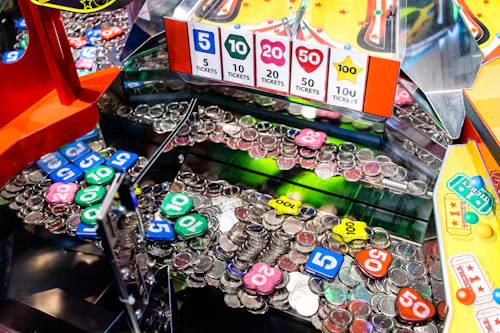
Another cognitive bias at play is the overestimation of personal skill in games that involve an element of chance. Players often feel confident in their abilities, especially in games like poker, where strategy is involved. This overconfidence can lead them to underestimate the risks and overcommit resources, believing they can outsmart the game or the other players. The reality of the odds is often overshadowed by personal beliefs in one’s own abilities, leading to a disconnect between perception and reality that can result in poor decision-making.
Lastly, people may have difficulty recognizing losses due to the way wins and losses are framed psychologically. The concept of loss aversion suggests that the pain of losing is psychologically more impactful than the pleasure of winning. As a result, players might continue gambling to recoup their losses, exacerbating their situation and increasing the likelihood of developing unhealthy gambling habits. Understanding these cognitive biases is essential for recognizing how they shape gambling behaviors, as awareness can help players make more informed decisions and possibly mitigate harmful patterns.
The Role of Online Casinos
The rise of online casinos has altered how players engage with gambling, introducing unique psychological dynamics. The convenience and accessibility of online platforms attract a diverse range of players, often leading to increased gambling frequency. Players can gamble from the comfort of their homes, eliminating the social pressures and physical cues present in traditional casinos. This anonymity can create a more detached gambling experience, where individuals may feel less restrained about their betting behavior, ultimately leading to higher stakes and more frequent play.
Moreover, online casinos leverage technology to enhance the player’s experience further. Features such as personalized recommendations, interactive games, and social sharing capabilities create an engaging environment that keeps players interested. The integration of gamification elements, such as leaderboards and achievements, can amplify competitive spirit and encourage longer play sessions. This technology-driven approach continuously captivates players, perpetuating their involvement in gambling activities, sometimes leading to excessive gambling behavior without the natural limits imposed by physical environments.
However, the online gambling landscape also highlights the risks associated with addiction. The ease of access can lead to impulsive gambling decisions that lack the physical constraints of a casino environment. Players may find themselves gambling for hours, often losing track of their spending limits and time. Understanding the psychological implications of online gambling is crucial for both players and operators to implement responsible gaming practices and prioritize player well-being in this rapidly growing industry. The responsibility lies with both the players and the platforms to cultivate a safer gambling environment.
 Far far away, behind the word mountains, far from the countries Vokalia and Consonantia, there live the blind texts.