
Understanding the psychology behind gambling what drives the thrill
The Allure of Risk and Uncertainty
The psychology behind gambling is deeply intertwined with the concepts of risk and uncertainty. Many individuals are naturally drawn to scenarios where outcomes are unpredictable, as this adds a layer of excitement to the experience. The thrill of gambling lies in the possibility of winning against the odds, often making players feel alive and engaged. This rush can trigger the brain’s reward system, releasing dopamine and creating feelings of pleasure associated with potential wins. For instance, you can explore the extensive offerings at https://slotomen.net to fully understand this thrilling world.

Moreover, the unpredictable nature of gambling serves as a form of escapism for many. In a world where people often seek control and predictability, the randomness of gambling provides a temporary reprieve from everyday stresses. For some, placing a bet can create an adrenaline rush akin to extreme sports, prompting them to chase that exhilarating feeling time and time again. This drive is not only about financial gain but also about the excitement that comes with the risk of losing.
Finally, the possibility of a big win is often enough to entice individuals to gamble. The idea of a life-changing jackpot pulls many players into the game, leading them to perceive potential rewards as worth the risks involved. This sense of hope can be incredibly compelling, fueling the desire to engage in gambling activities repeatedly. The thrill often overshadows the potential downsides, making it easy to lose sight of the financial and emotional implications.
The Social Dynamics of Gambling
Gambling isn’t just a solitary activity; it often involves a social component that enhances the experience. Many people enjoy the camaraderie of participating in gambling environments, whether at a casino table or an online platform. This social aspect can amplify the excitement, as players celebrate wins together and share stories of their experiences. The sense of belonging to a community of fellow gamblers can provide a support system that encourages continued engagement with gambling activities.
Additionally, peer influence plays a significant role in gambling behavior. Friends and family can encourage individuals to try their luck, creating a collective experience that heightens the thrill. This social reinforcement often leads to a more significant emotional investment, making players more likely to engage in gambling, even when they are aware of the risks involved. The communal atmosphere can sometimes lead to overconfidence, causing individuals to gamble beyond their means.
Lastly, the shared narratives surrounding gambling can impact individuals’ perceptions of success and failure. Many stories celebrate huge wins, fostering a culture where players believe that they too can achieve such victories. This dynamic can create a feedback loop that encourages gambling behavior, even when outcomes are not favorable. The social environment can thus amplify both the thrill and the risks associated with gambling, making it a compelling, albeit potentially dangerous, pursuit.
Cognitive Biases and Fallacies
The psychology of gambling is also heavily influenced by cognitive biases and fallacies that affect decision-making. Many gamblers fall victim to the “gambler’s fallacy,” the belief that past events influence future outcomes in games of chance. This can lead players to make irrational decisions, thinking that a win is “due” after a series of losses, which only fuels their continued engagement. Understanding these cognitive biases can help illuminate why so many individuals struggle to maintain control over their gambling activities.
Another common bias is the illusion of control, where players believe they can influence random events. For instance, poker players may think that skill can dictate the outcome, while slot machine players might believe that timing their bets can affect results. This illusion can lead to overconfidence, prompting players to gamble more frequently and at higher stakes, driven by the false belief that they have a greater chance of winning than they actually do.
Additionally, confirmation bias plays a significant role, as gamblers often focus on wins while ignoring losses. This selective memory reinforces their desire to continue gambling, as they recall only the successful bets and disregard the numerous times they lost. This mental framework can create a distorted perception of gambling, making it seem more favorable and less risky than it genuinely is, ultimately driving individuals deeper into the cycle of gambling.
The Emotional Rollercoaster of Winning and Losing
Emotions play a pivotal role in the gambling experience, with both wins and losses eliciting strong feelings. Winning can produce a euphoric high, characterized by elation and excitement, as players experience the immediate gratification of their success. This joy can be addictive, prompting gamblers to seek out that feeling repeatedly, leading to a cycle of gambling that prioritizes the thrill of winning over rational decision-making.
Conversely, losses can lead to feelings of despair, frustration, and even anger. The emotional turmoil that follows a loss can compel individuals to chase their losses, resulting in further gambling to regain what they have lost. This can set off a dangerous cycle of behavior, as the emotional impact of a loss can cloud judgment and encourage impulsive decisions. The emotional highs and lows of gambling contribute significantly to its overall appeal, making it a complex interplay of psychology and risk.
Moreover, the emotional stakes involved in gambling are often tied to personal identity and self-esteem. For some, winning can validate their skills or intuition, while losing can trigger self-doubt and feelings of inadequacy. This intertwining of identity and gambling can deepen the psychological engagement with the activity, making it harder for individuals to walk away when they are on a losing streak. The emotional rollercoaster ultimately drives the thrill and complicates the relationship individuals have with gambling.
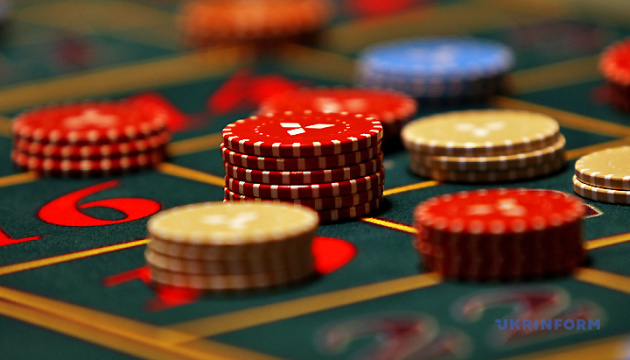
Slotomen: Your Gateway to Engaging Gambling Experiences
Slotomen stands out as an innovative online casino and sportsbook that captures the essence of thrilling gambling experiences. By offering a diverse selection of games and sports betting options, it caters to the psychological needs of modern players who crave excitement and variety. The platform recognizes the emotional dynamics of gambling, creating an environment that prioritizes user engagement while ensuring responsible gaming practices.
Additionally, Slotomen enhances the thrill of gambling by offering enticing promotions, including generous welcome bonuses and free spins. These incentives not only attract new players but also provide seasoned gamblers with opportunities to prolong their experience without substantial financial commitment. By fostering an environment that balances excitement with responsibility, Slotomen aims to create enjoyable and sustainable gambling experiences.
In conclusion, understanding the psychology behind gambling reveals a fascinating interplay of risk, social dynamics, cognitive biases, and emotional factors. Platforms like Slotomen embody these complexities, offering players a thrilling yet responsible approach to gambling. Whether you’re a seasoned player or new to the scene, Slotomen provides an inviting space to explore the captivating world of gambling while keeping your well-being at the forefront.
 Far far away, behind the word mountains, far from the countries Vokalia and Consonantia, there live the blind texts.